The ten Indian cities that hallmark the most gold
India has 695 operative assaying and hallmarking centres on the BIS register, and ten cities hold 383 of them — 55% of the country's capacity in ten postcodes. The ranking is not the one you would guess from population, and one city in it breaks the pattern completely.
Written by
Published 21 September 2026
01 Mumbai, Maharashtra
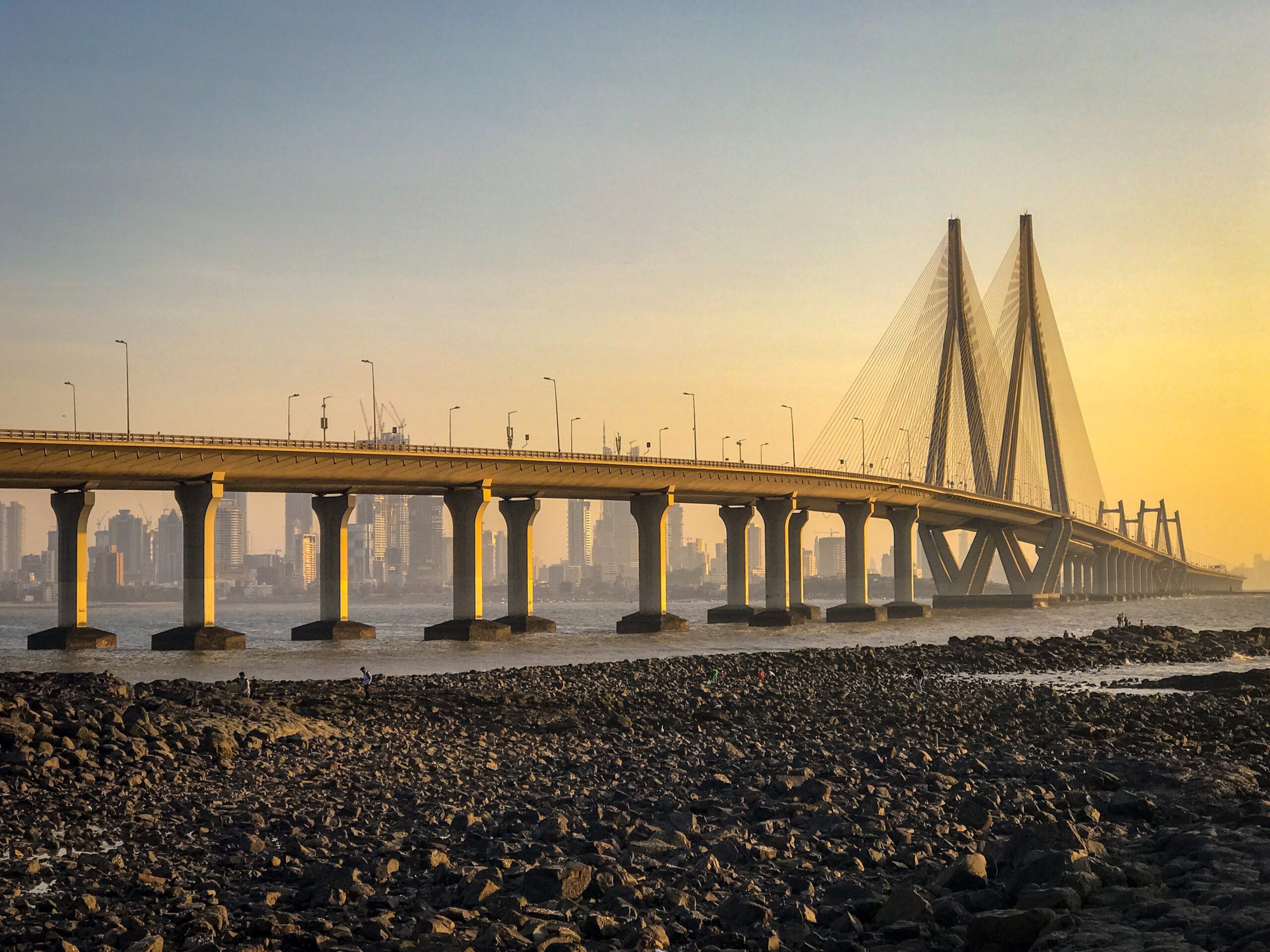
Hallmarking centres 90
Ninety centres — nearly twice the next city, and one in eight of everything BIS has recognised nationally. Zaveri Bazaar in Kalbadevi is the seat of the IBJA fix, the price roughly two-thirds of India's gold trade is struck against, and sixteen of the ninety sit in that one locality. Twenty-five handle silver as well as gold; the remaining sixty-five are gold only.
Source: BIS register of Assaying and Hallmarking Centres · as of 9 September 2026
02 Kolkata, West Bengal
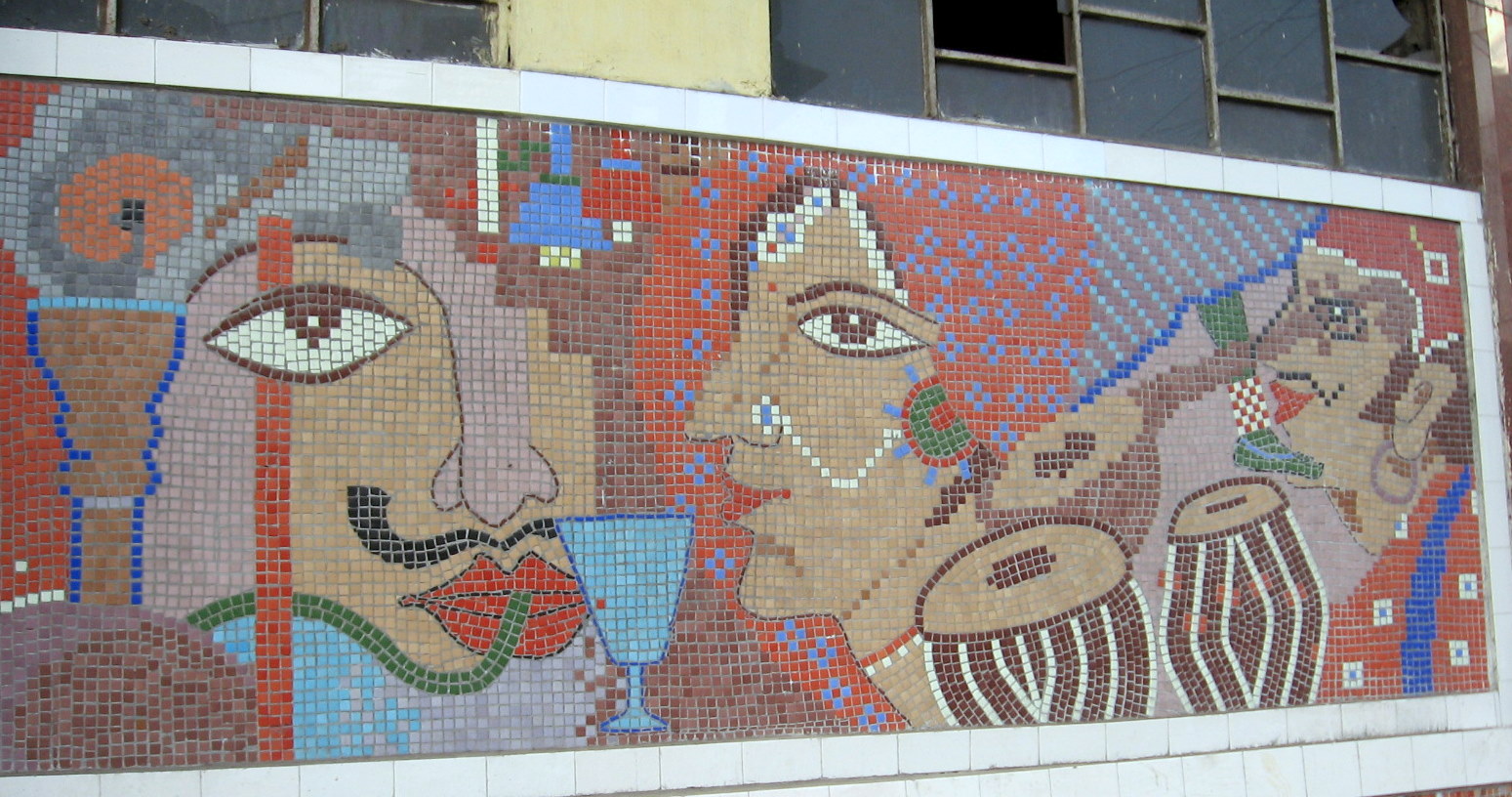
Hallmarking centres 52
Kolkata's position is built on making rather than selling. Bowbazar holds the country's largest concentration of goldsmith workshops, and the karigars trained there staff jewellery benches across India. Fourteen of the city's fifty-two centres are in Bowbazar itself and another twelve in Barabazar, so more than half the capacity sits inside two adjoining wholesale quarters.
Source: BIS register of Assaying and Hallmarking Centres · as of 9 September 2026
03 Delhi
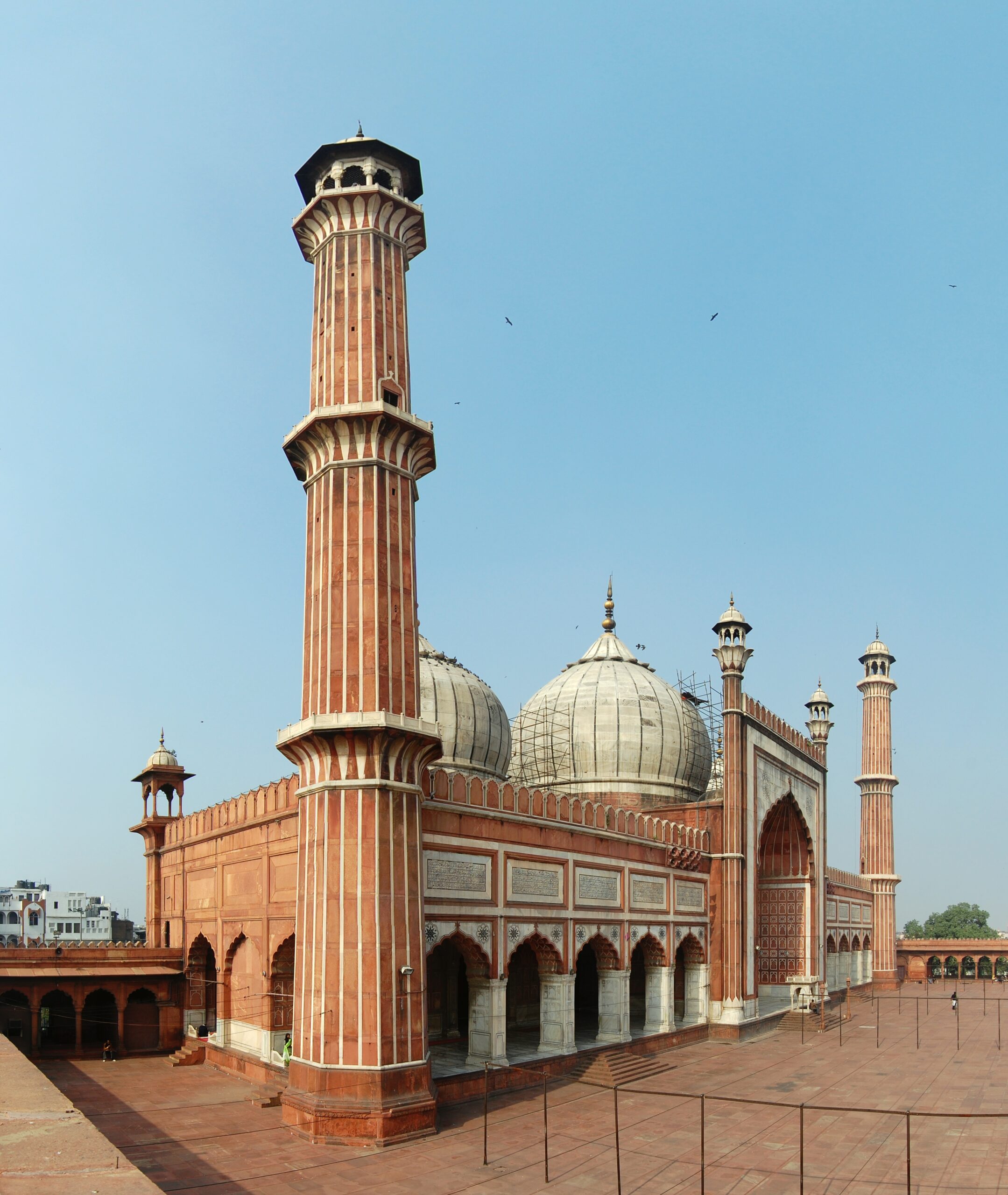
Hallmarking centres 36
Delhi's thirty-six split between two eras. Dariba Kalan, the silver and gold lane inside Chandni Chowk, has been trading since the Mughal period and holds seven; Karol Bagh, the modern bridal-jewellery cluster, holds nine. Fourteen centres are cleared for silver — a high share for a northern market, and a reflection of how much of Dariba's trade is silver rather than gold.
Source: BIS register of Assaying and Hallmarking Centres · as of 9 September 2026
04 Ahmedabad, Gujarat
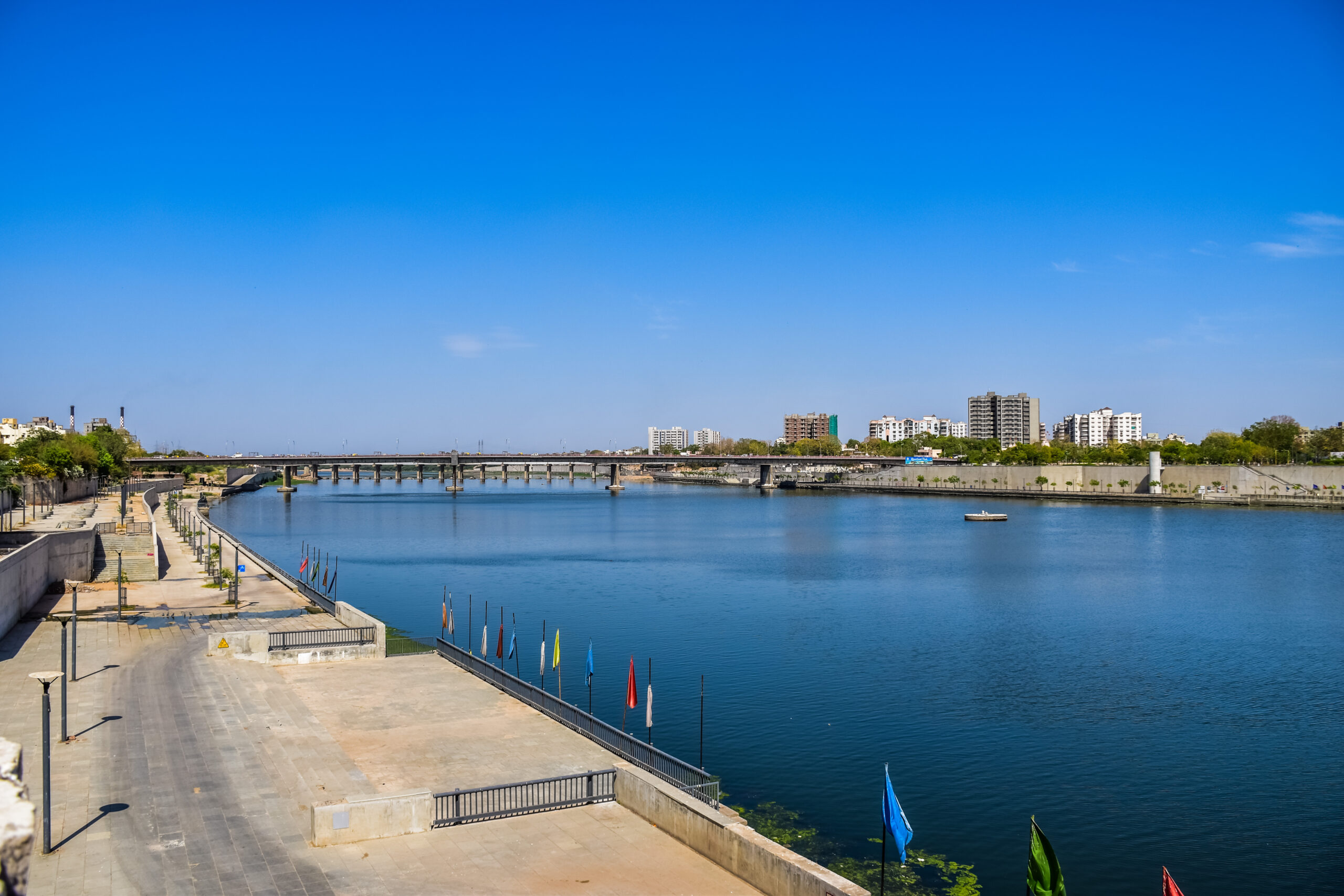
Hallmarking centres 34
Manek Chowk is a vegetable market in the morning and a bullion market by afternoon, and ten of Ahmedabad's thirty-four centres work within it. Gujarat's jeweller associations quote an Ahmedabad rate separately from the Mumbai fix, so a buyer here is often comparing two published prices rather than one. Fourteen centres handle silver.
Source: BIS register of Assaying and Hallmarking Centres · as of 9 September 2026
05 Chennai, Tamil Nadu
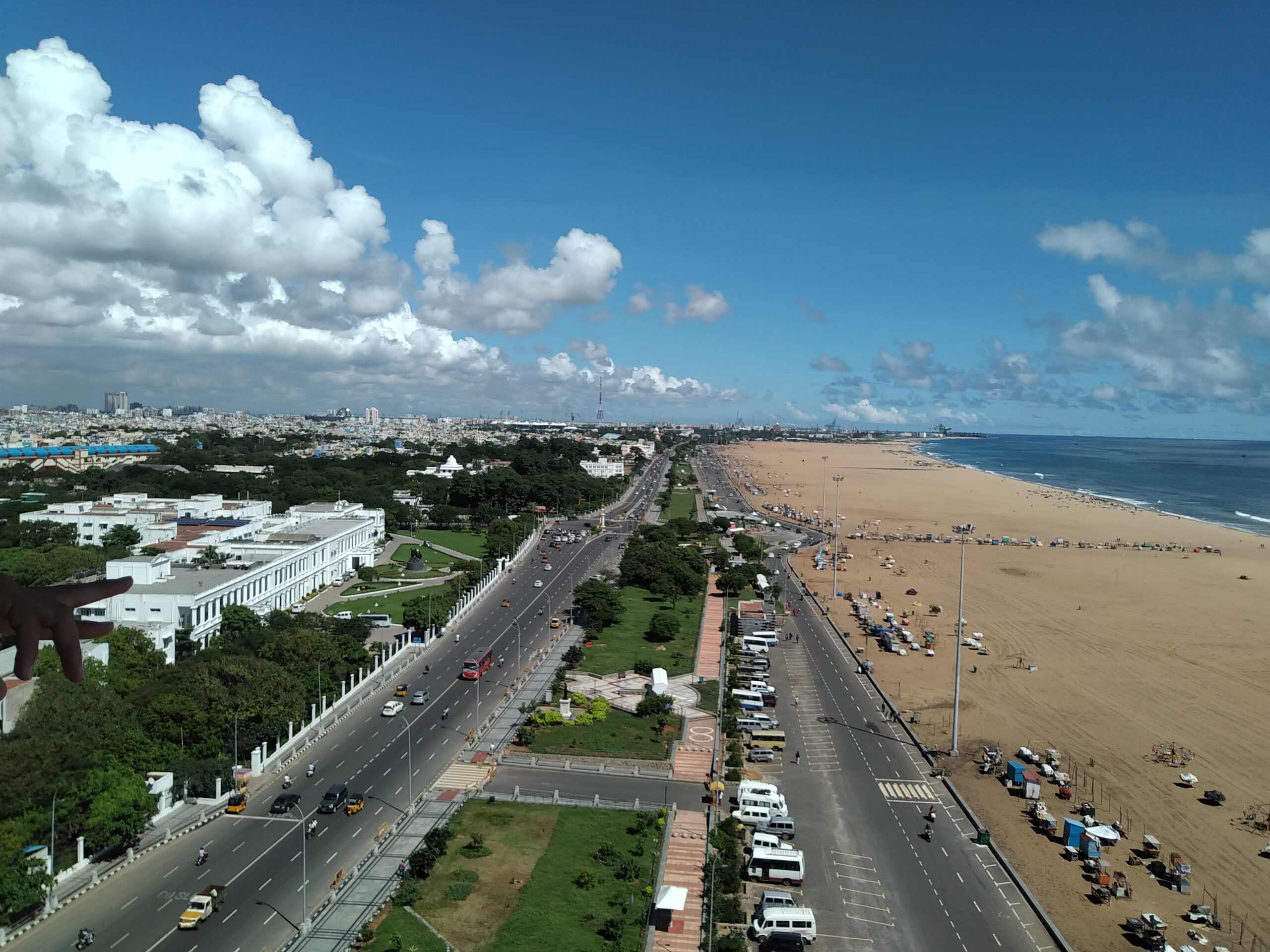
Hallmarking centres 33
T. Nagar's Panagal Park stretch is among the highest-turnover jewellery retail streets in the country, and fourteen of Chennai's thirty-three centres are registered in Thyagaraya Nagar alone. Sowcarpet, the older wholesale quarter, adds six. Fourteen of the thirty-three are cleared for silver, which matters in a state where silver articles are a standard part of a wedding order.
Source: BIS register of Assaying and Hallmarking Centres · as of 9 September 2026
06 Coimbatore, Tamil Nadu
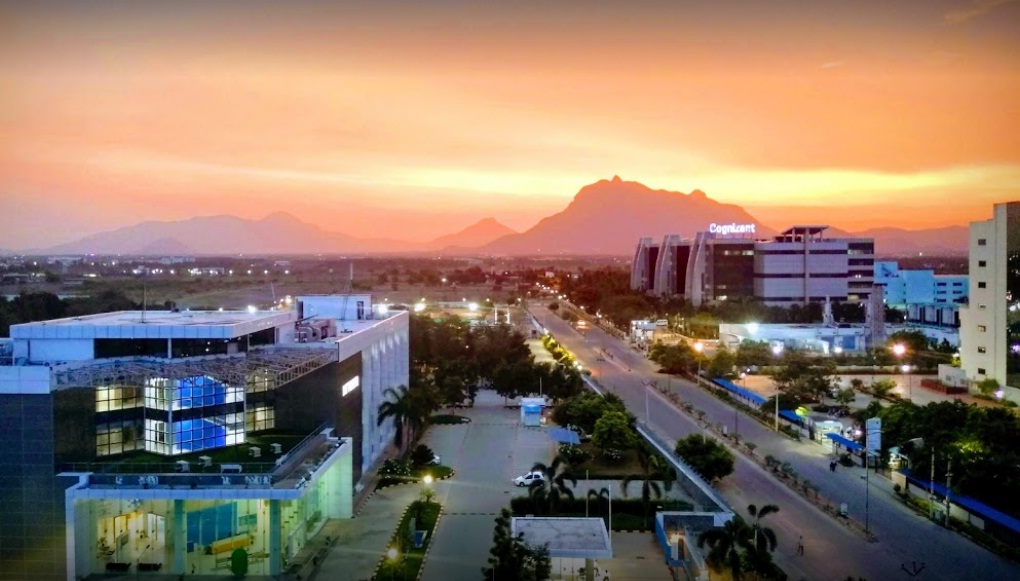
Hallmarking centres 32
Thirty-two centres puts Coimbatore one behind Chennai on a fraction of the population, which makes it the densest hallmarking cluster on this list relative to city size. The reason is manufacturing rather than retail: Oppanakara Street and Raja Street anchor a major production base for lightweight gold chain, and chain is hallmarked by the batch.
Source: BIS register of Assaying and Hallmarking Centres · as of 9 September 2026
07 Hyderabad, Telangana
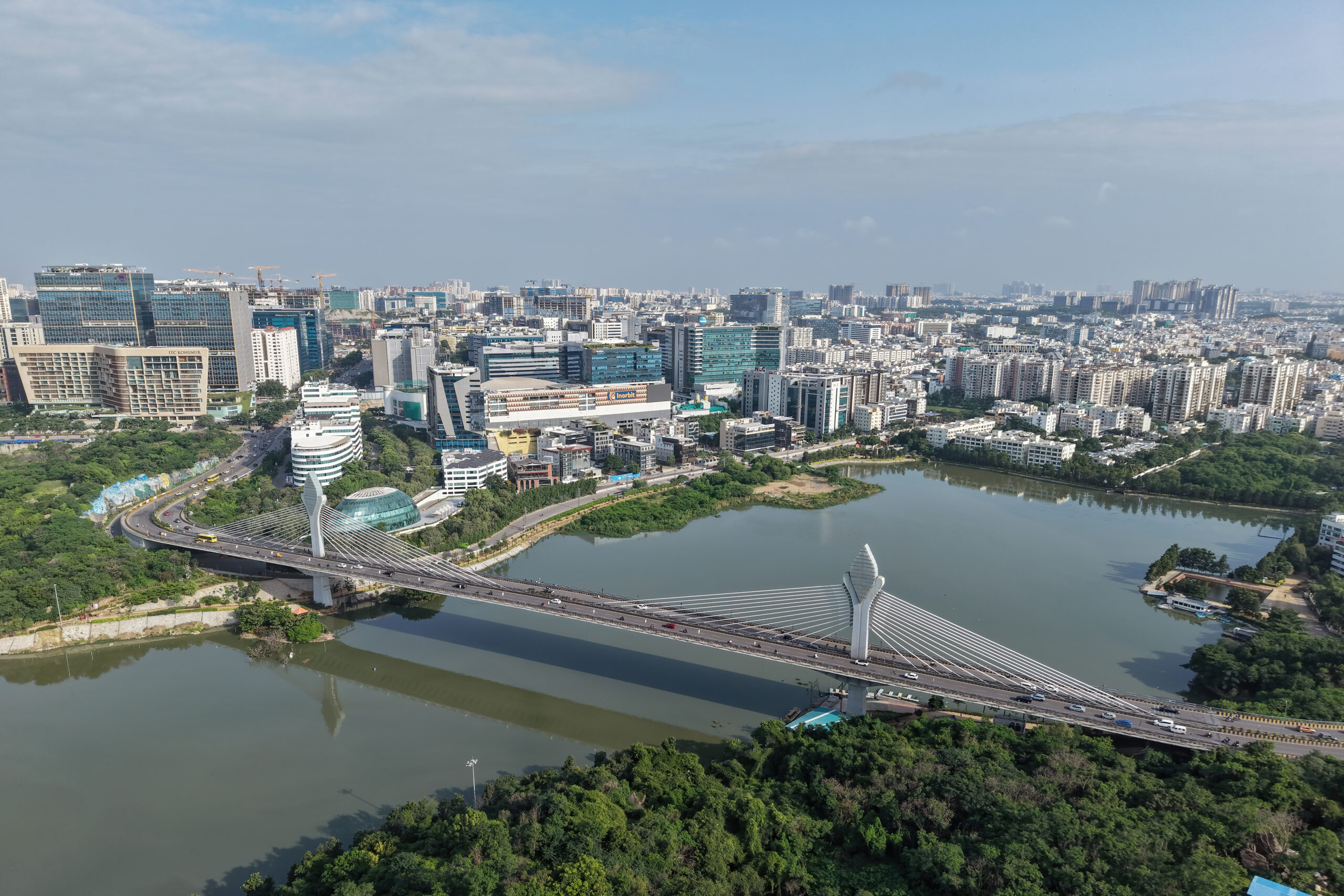
Hallmarking centres 28
Hyderabad separates its wholesale and retail trade cleanly: Begum Bazaar handles bullion, while Basheerbagh and Punjagutta hold the showrooms. Sixteen of the twenty-eight centres are registered across the river in Secunderabad. Only eight are cleared for silver — the lowest share of any city in the top ten, and a sign of how gold-weighted this market is.
Source: BIS register of Assaying and Hallmarking Centres · as of 9 September 2026
08 Bengaluru, Karnataka
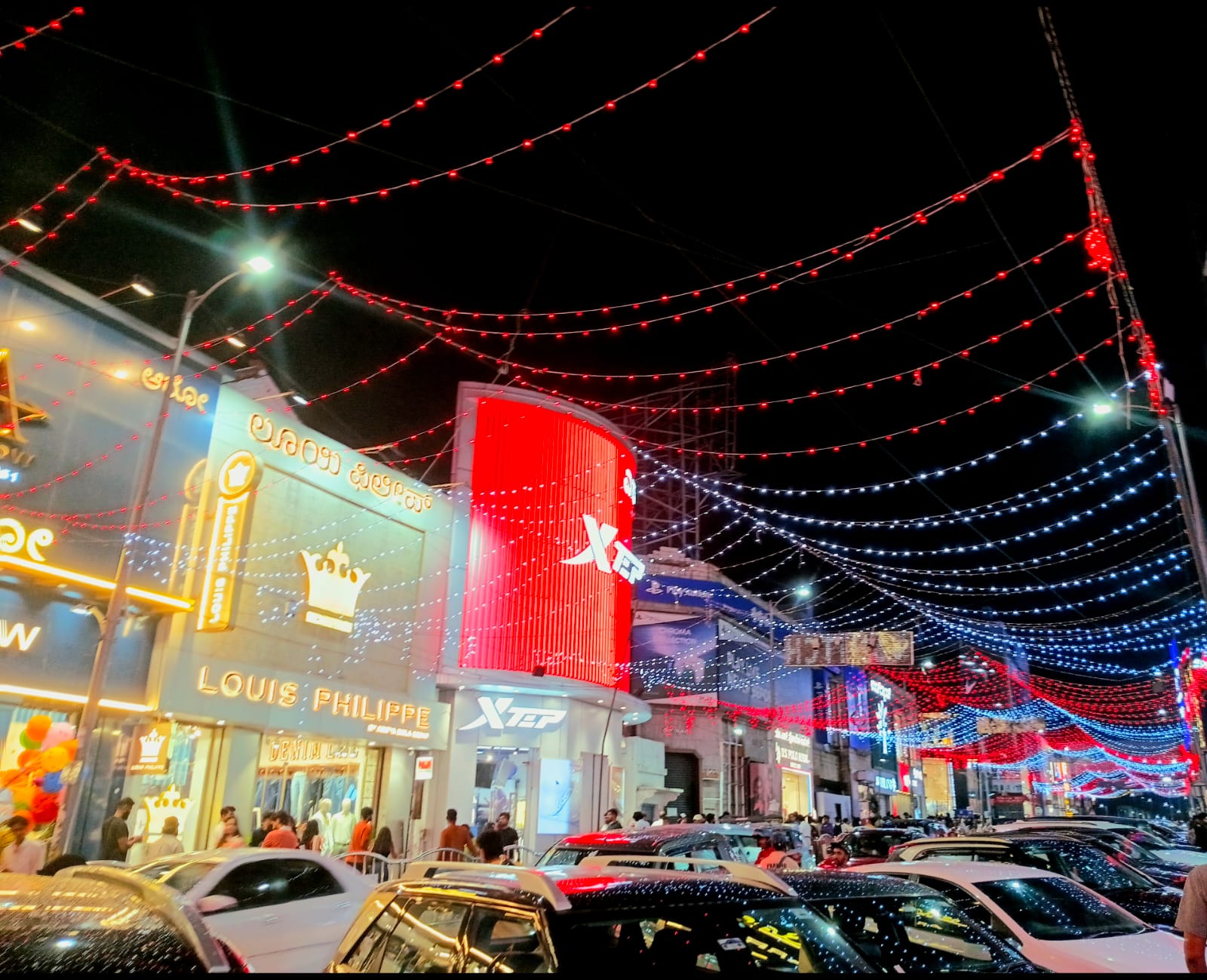
Centres cleared for silver 23 of 28
This is the city that breaks the pattern. Bengaluru has twenty-eight centres, level with Hyderabad, but twenty-three of them are cleared for silver and only five are gold only — the inverse of every other city here, and of the national picture. Retail sits on Commercial Street and Jayanagar 4th Block; the wholesale bullion trade runs through Avenue Road and Chickpet, which holds six centres.
Source: BIS register of Assaying and Hallmarking Centres · as of 9 September 2026
09 Surat, Gujarat
Hallmarking centres 25
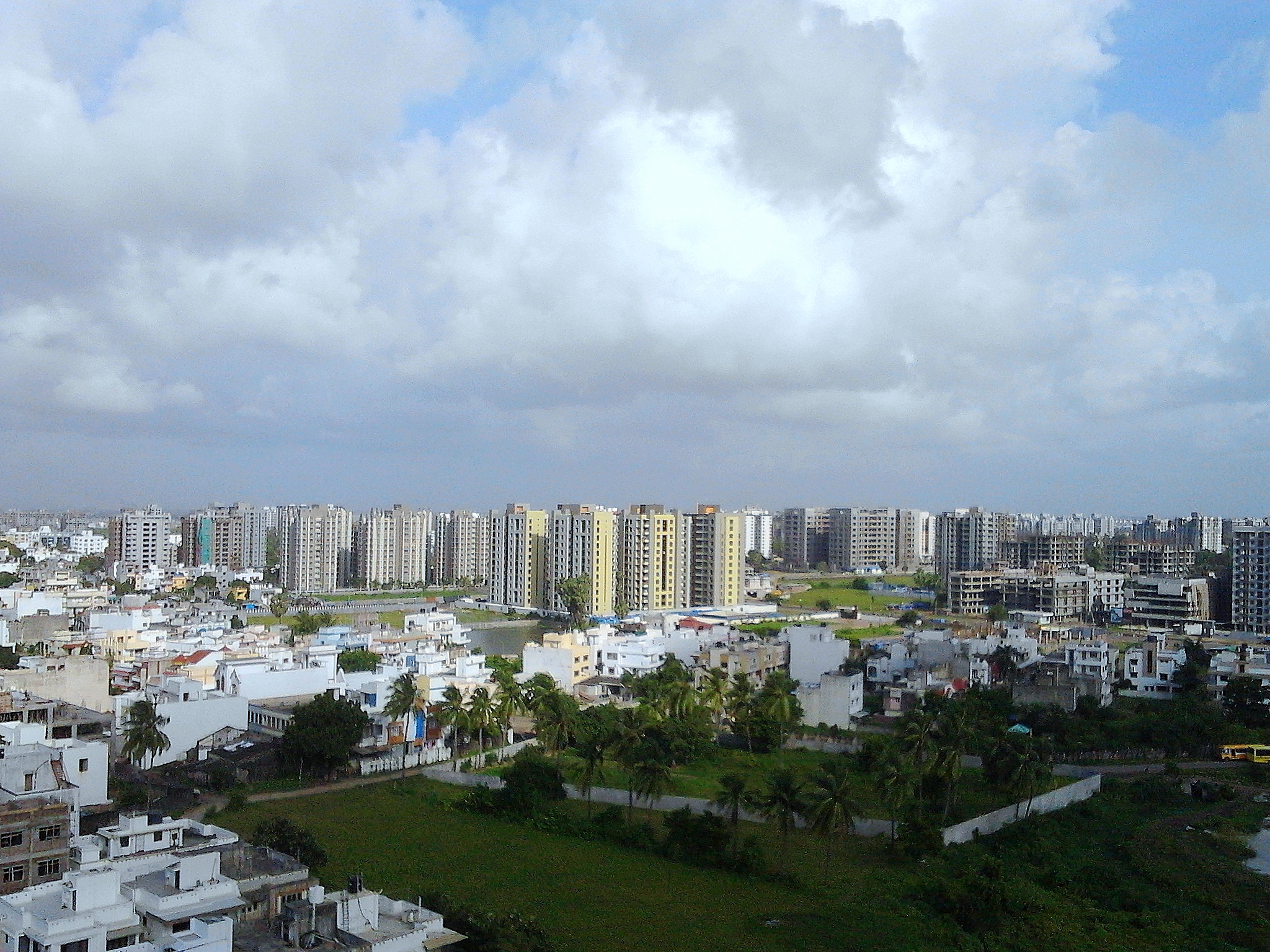
Surat is known for diamonds, and the gold trade here grew up beside the polishing workshops rather than ahead of them. The Varachha market sits in the middle of the diamond district; Mahidharpura is the older bullion quarter. Twelve of the twenty-five centres handle silver, an even split that reflects a working jewellery trade rather than a bullion one.
Source: BIS register of Assaying and Hallmarking Centres · as of 9 September 2026
10 Rajkot, Gujarat
Hallmarking centres 25
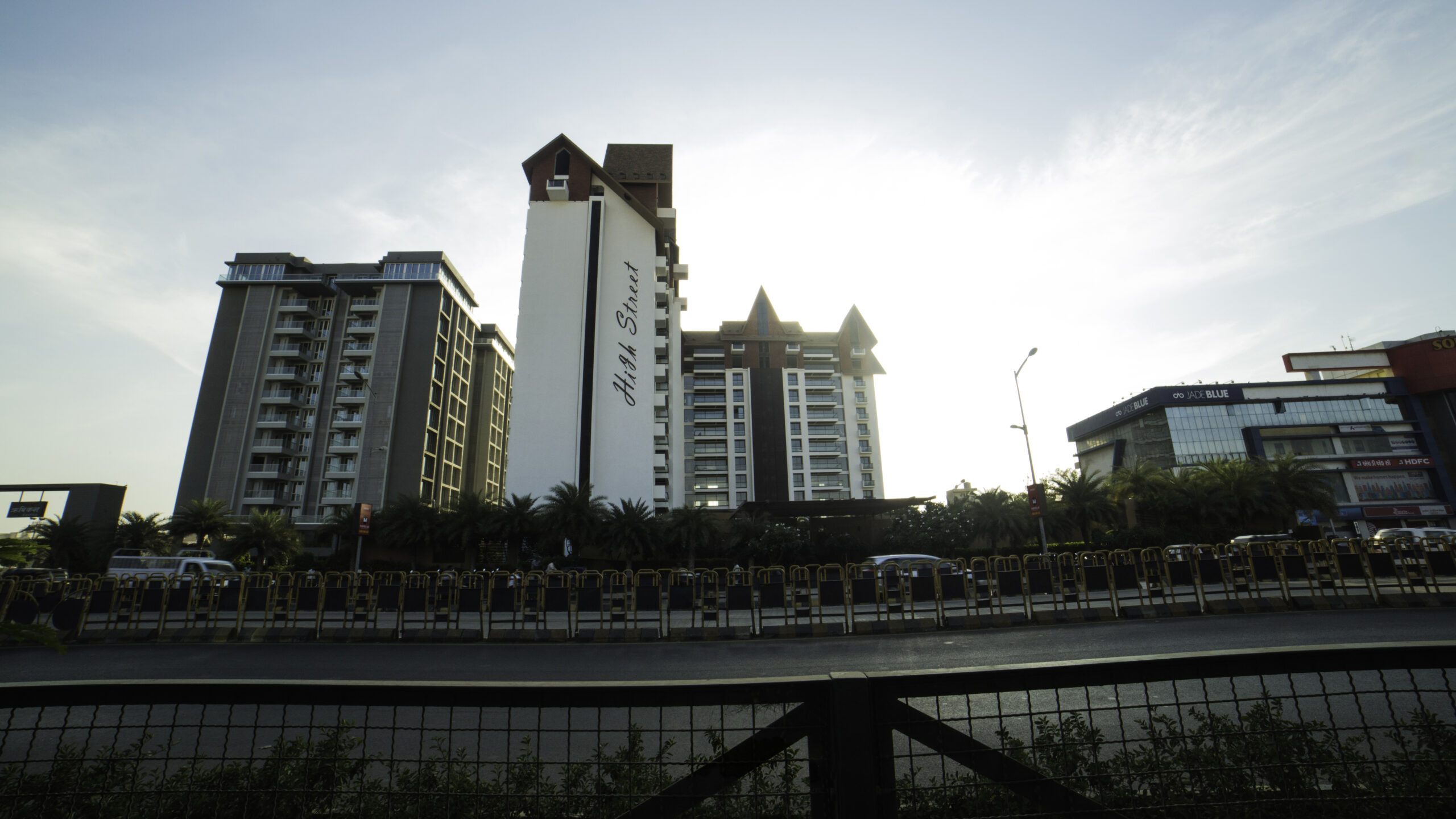
Rajkot is not among India's twenty largest cities and it finishes level with Surat here. Soni Bazaar is Saurashtra's manufacturing and bullion centre, serving a region of jewellery workshops rather than a single urban market, which is why its hallmarking capacity runs so far ahead of its population rank. Twenty of the twenty-five are registered in the city proper.
Source: BIS register of Assaying and Hallmarking Centres · as of 9 September 2026
Today's gold rate, city by city
The IBJA rate for 24K, 22K and 18K, with the hallmarking and making-charge arithmetic worked out for each of these cities.
See today's rateMore like this
From Reliance to Hindustan Unilever: what one day did to India’s 10 biggest stocks
These 10 companies carry most of the weight in the Nifty 50, which means they carry most of the weight in…
21 September 2026
From Rishabh Pant to Virat Kohli: what IPL 2026 pays its 10 best-paid Indians per match
Ten Indian cricketers will earn more from fourteen league matches than most people earn in a lifetime. These…
21 September 2026
The ten richest women in India
Twenty of India's 209 billionaires are women. Most inherited what they hold; two built it. This is the top…
21 September 2026
The ten richest Indians right now
Forbes counts 209 Indian billionaires, holding about $1.02 trillion between them. Ten of them hold roughly a…
21 September 2026